
🚀Updates
Multi-Vial Dashboard Launch: Track All Your Peptides in One Place
Introducing our new Multi-Vial Dashboard - track potency decay across multiple peptides simultaneously with color-coded status indicators and smart sorting.
Evidence-based insights on peptide stability, storage, and practical applications
Introducing our new Multi-Vial Dashboard - track potency decay across multiple peptides simultaneously with color-coded status indicators and smart sorting.
A source-checked guide to semaglutide stability that separates Ozempic label facts from conservative estimates for reconstituted research vials.
A source-checked guide to peptide temperature stress, including Arrhenius-style rule-of-thumb modeling and where direct peptide-specific data is still limited.
Showing all 35 published articles. Pagination is not needed yet at this inventory size, but the grid now exposes the full archive instead of an arbitrary 12-post slice.
A source-checked watchlist of wound-healing peptides that separates better-supported candidates from names that still need stronger direct citation review.
How to evaluate peptide combinations for compatibility, timing, and storage logistics with a research-first, risk-aware framework.
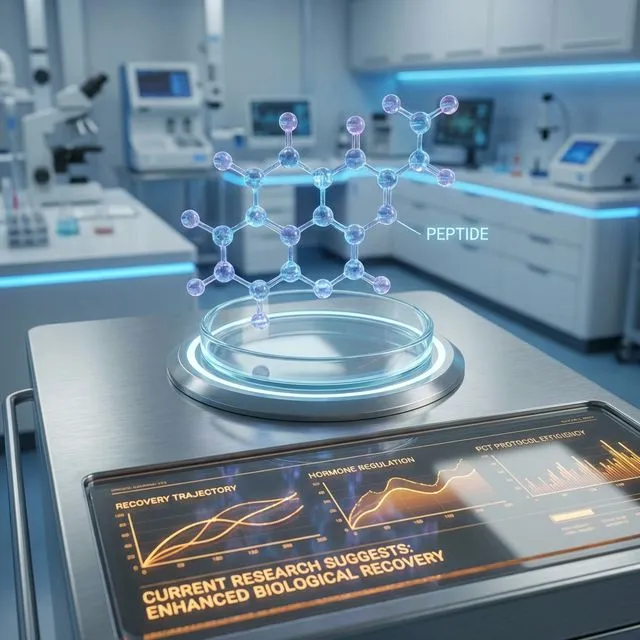
A research-first review of post-cycle recovery concepts, evidence limits, and risk-aware planning for peptide-focused protocols.
Use a source-first workflow for research-peptide verification, from lot traceability to analytical testing, while keeping visual checks in perspective.

Choosing a syringe and needle for peptides? Compare 30, 50, and 100-unit U-100 insulin syringes by precision and dead space, and pick the right needle gauge (29G–31G) and length.
Introducing our new Multi-Vial Dashboard - track potency decay across multiple peptides simultaneously with color-coded status indicators and smart sorting.

Worked tirzepatide concentration examples for U-100 syringe math, with clear separation between label-backed handling facts and research-vial calculator examples.

Label-aware overview of tirzepatide titration logic and why schedule examples should stay separate from research-vial storage assumptions.
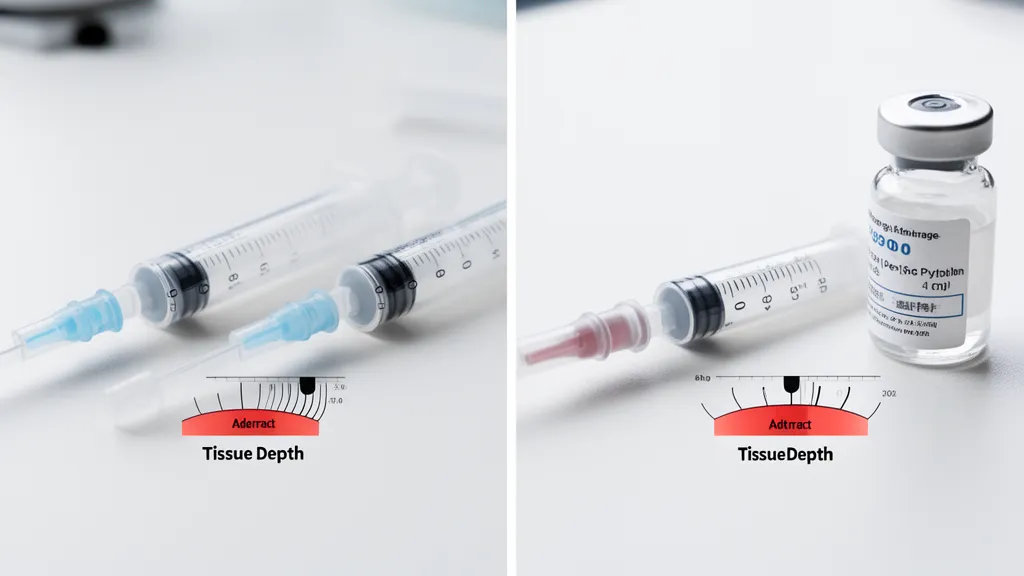
A route-awareness guide explaining why subcutaneous and intramuscular peptide use should not be treated as interchangeable without protocol support.
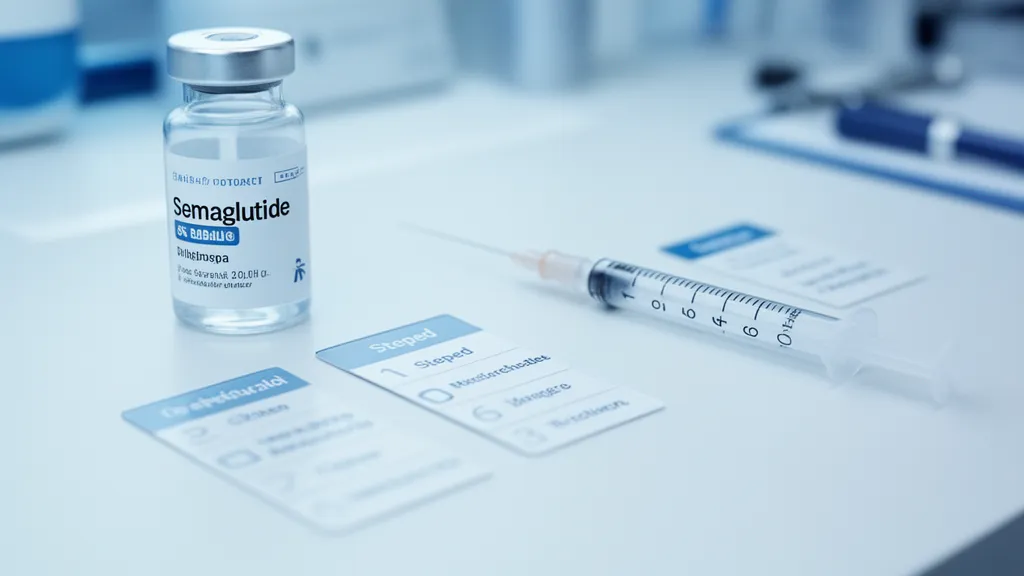
Label-aware semaglutide titration overview, with a clear distinction between escalation structure, conversion math, and formulation-specific storage rules.

Semaglutide concentration math explained with BAC water examples, U-100 syringe conversion, and careful separation between label-backed product facts and research-vial assumptions.

How to think about reconstituted peptide shelf life without overstating certainty when peptide-specific assay data is limited.
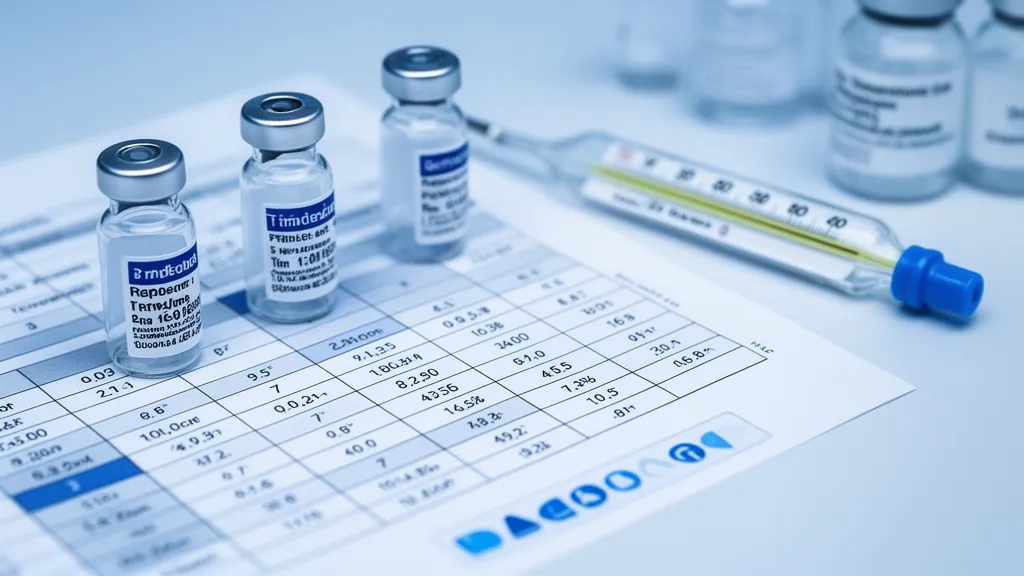
A practical temperature chart explaining freezer, fridge, and room-temperature storage context without pretending every peptide shares the same decay curve.

A practical peptide reconstitution chart for concentration planning, syringe-unit logic, and deciding when to switch from static tables to the canonical calculator.
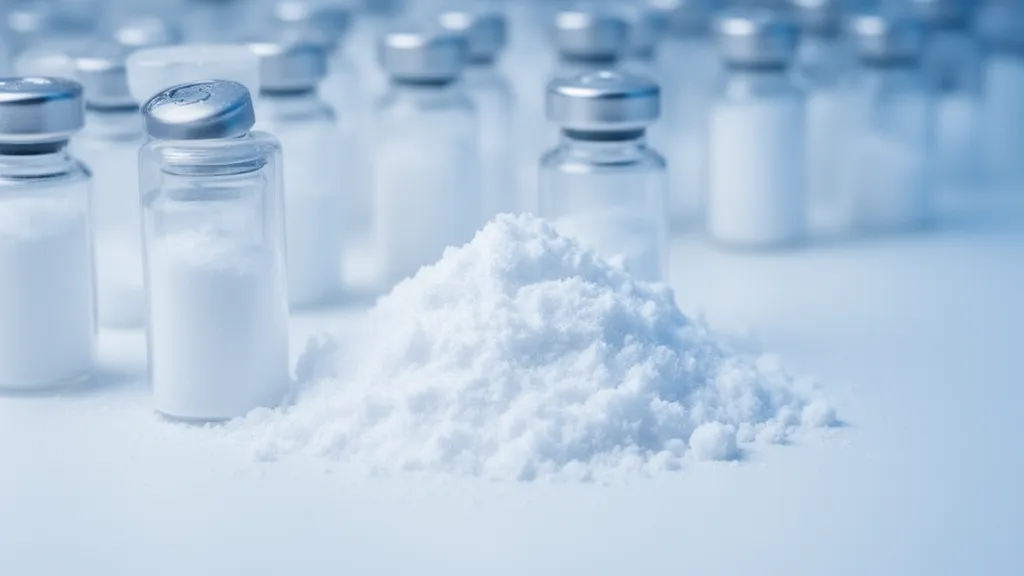
What lyophilization does for peptide storage, why powder is usually more stable than solution, and what changes after reconstitution.

Subcutaneous peptide injection site basics, site rotation logic, and why labeled route instructions matter more than forum shortcuts.
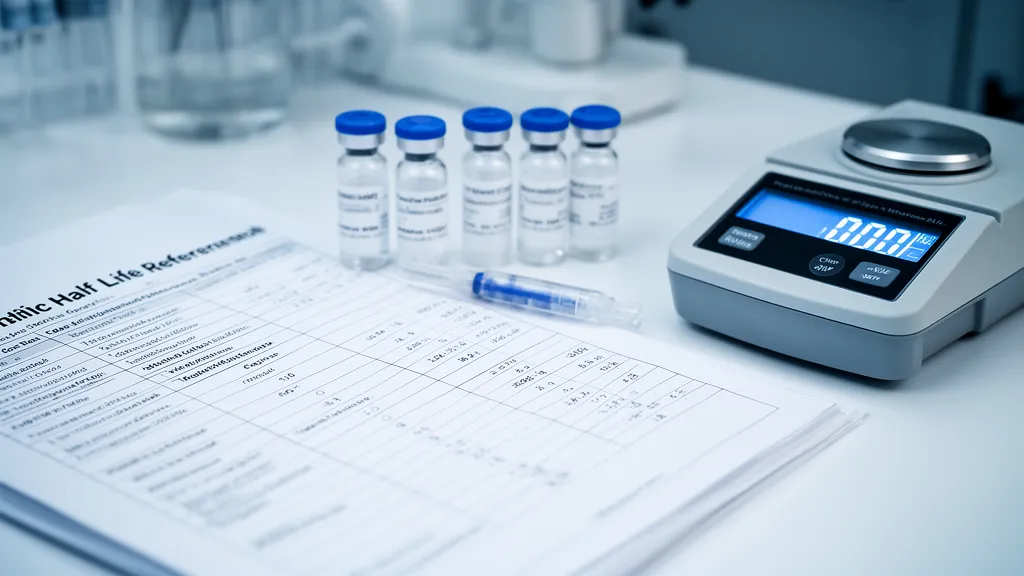
A practical guide to peptide half-life, why it differs from storage stability, and how to avoid mixing pharmacokinetics with vial-decay math.
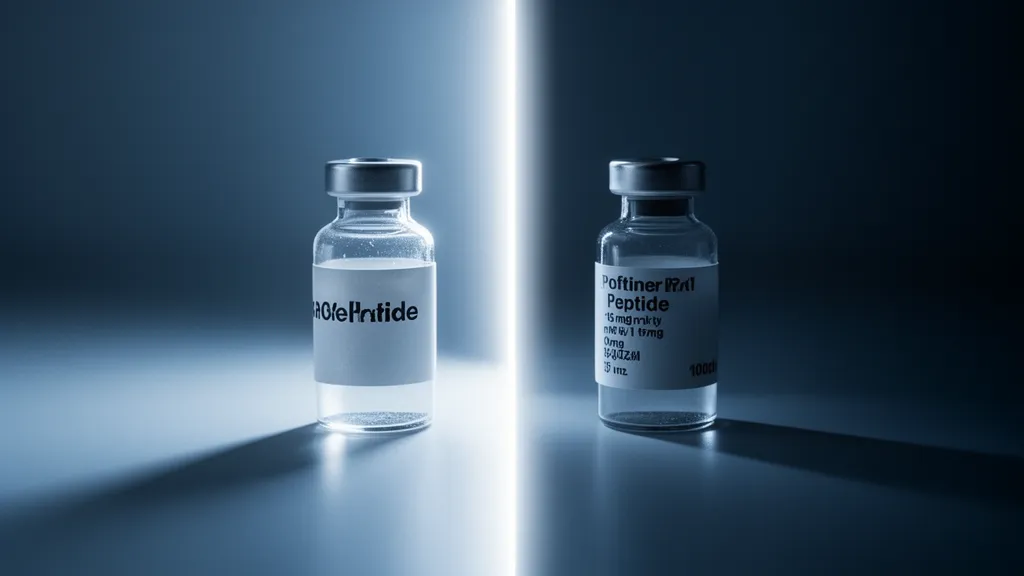
How light exposure can increase peptide degradation risk, and why light protection is part of a broader storage-control strategy rather than a single magic fix.
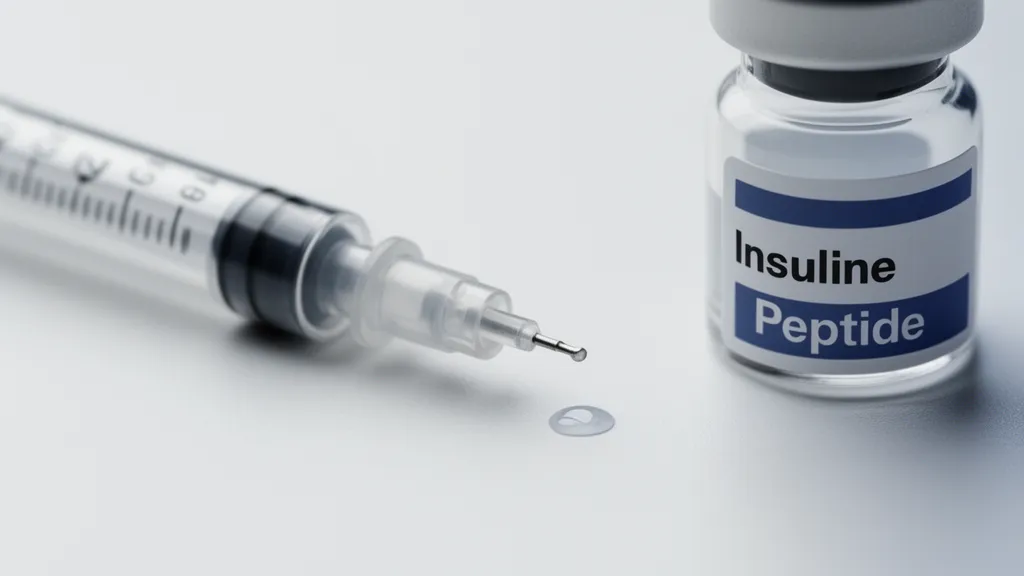
Understand syringe dead space, the ISO 8537 measurement method, and why a fixed residual volume is a larger fraction of a smaller U-100 draw.
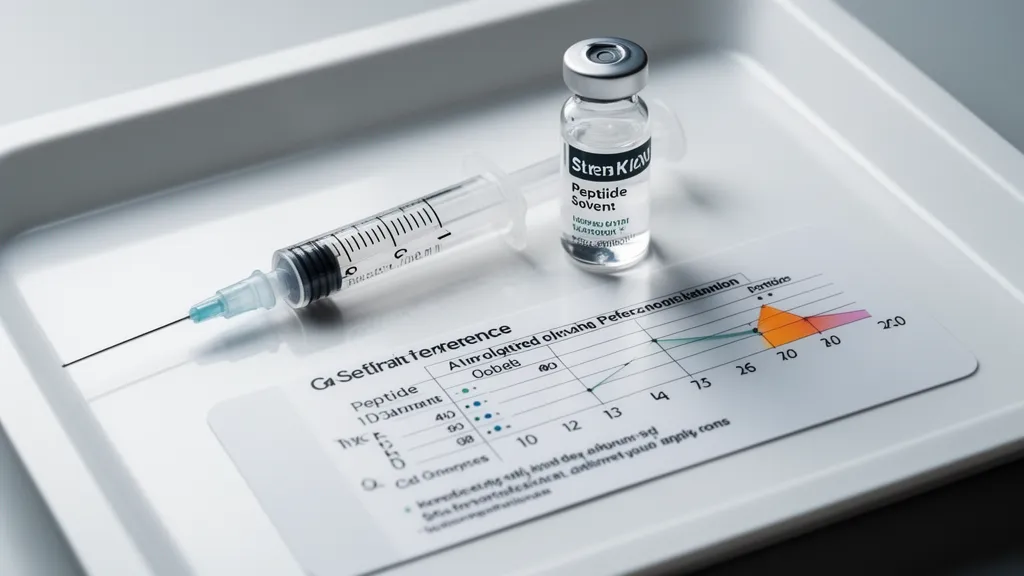
How to choose BAC water volume by working backward from concentration and syringe readability instead of copying a single default number.
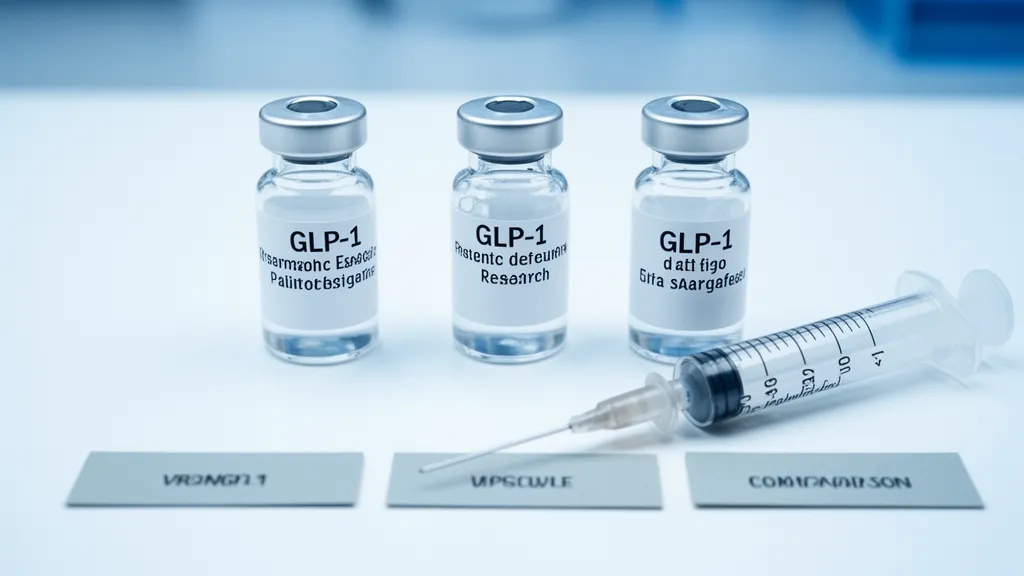
A high-level comparison of semaglutide, tirzepatide, and retatrutide focused on evidence maturity, receptor scope, and storage-confidence boundaries.
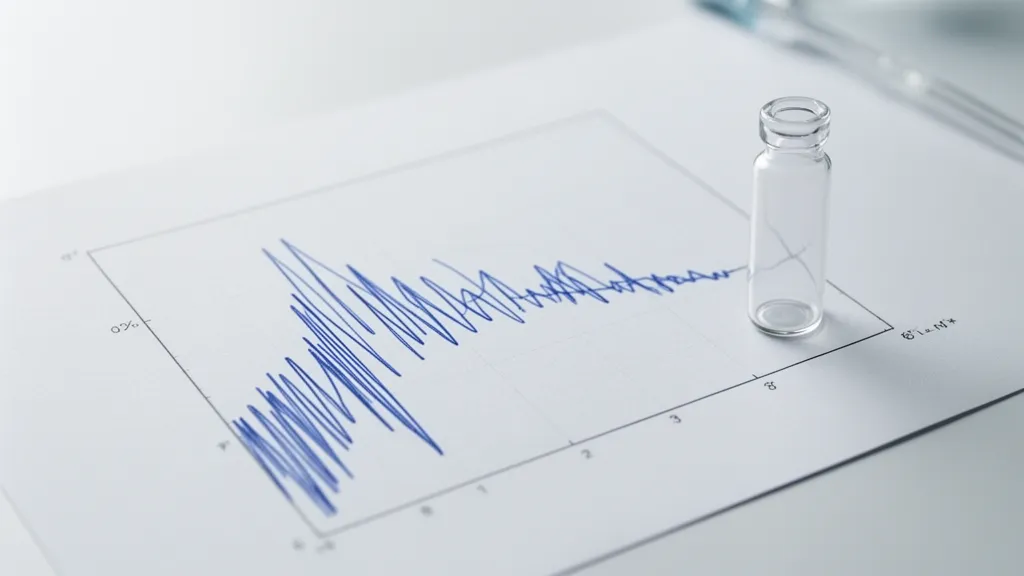
Why PeptideClock uses first-order decay logic, what that means in practice, and where the model should be treated as an estimate rather than a measured assay.
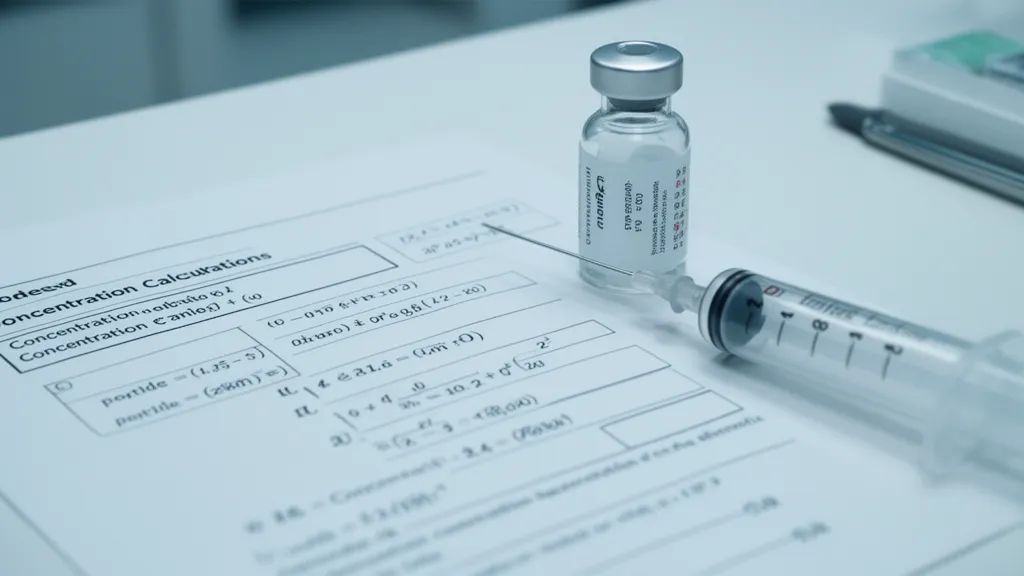
Separate mass, volume, concentration, target amount, and U-100 markings before redoing peptide math, with a decision table and worked example.
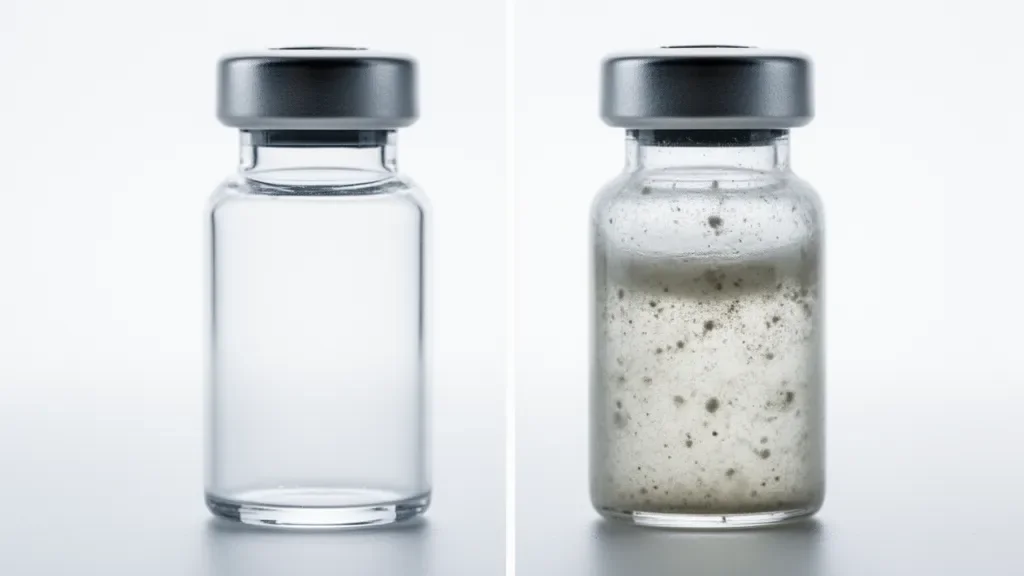
How to interpret cloudiness, particles, color changes, and uncertain handling history when deciding whether a peptide vial should be discarded.
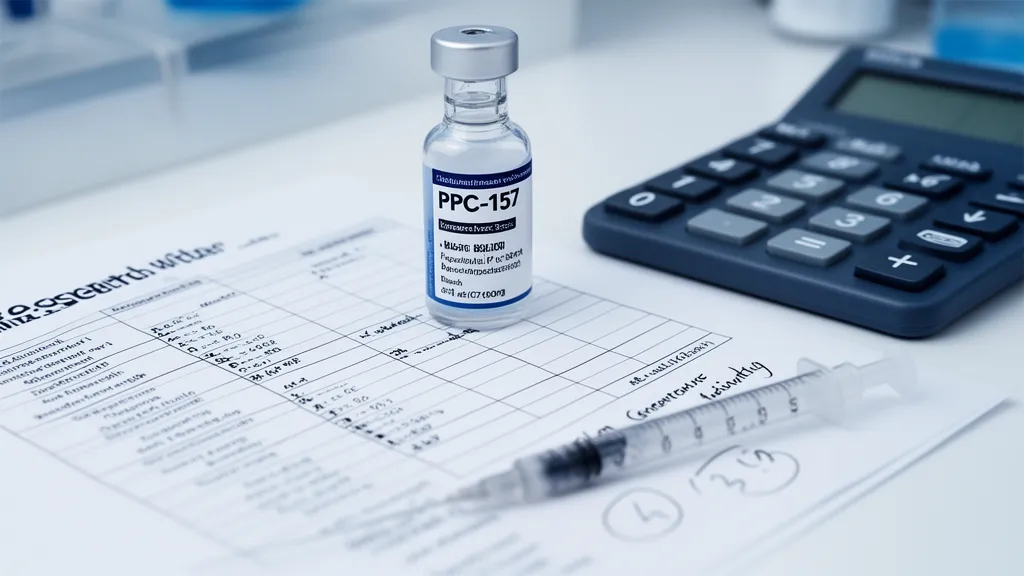
Conservative BPC-157 concentration examples, mcg-to-units math, and clear guidance on what the chemistry literature does and does not prove.
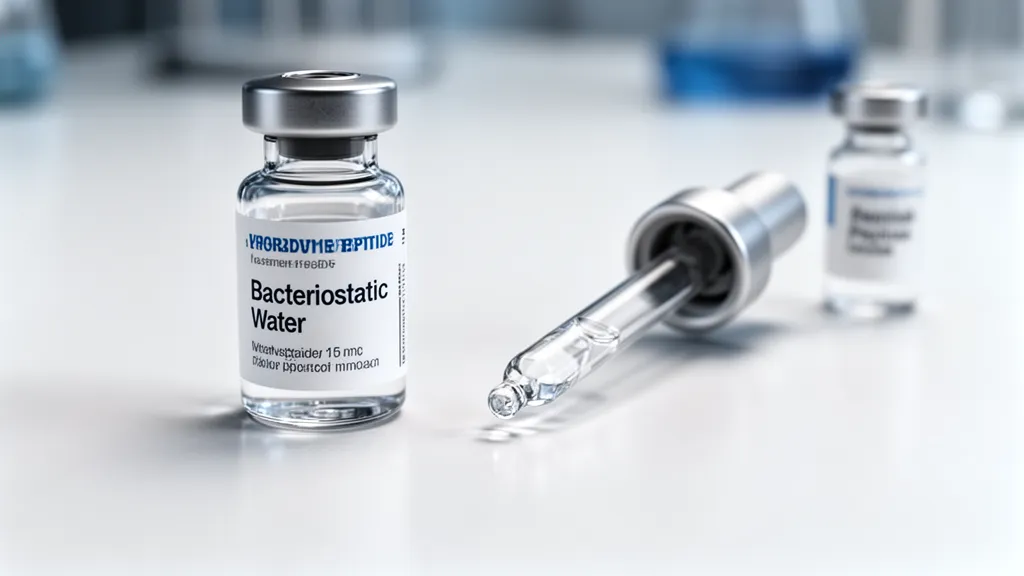
What benzyl alcohol does in bacteriostatic water, why it matters for multi-dose workflows, and what it does not guarantee.

Compare oxidation, deamidation, and hydrolysis in peptide stability work, with sequence limits, a corrected semaglutide citation, and cautious interpretation.
A source-checked guide to semaglutide stability that separates Ozempic label facts from conservative estimates for reconstituted research vials.
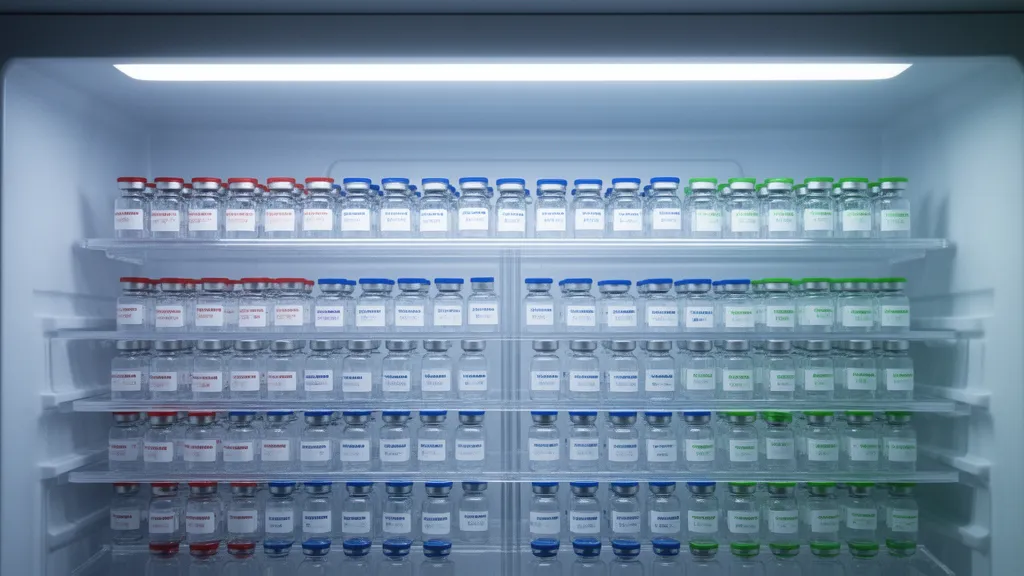
Build an organized, safe, and efficient peptide storage system at home. Includes equipment checklist, labeling strategies, and safety protocols.
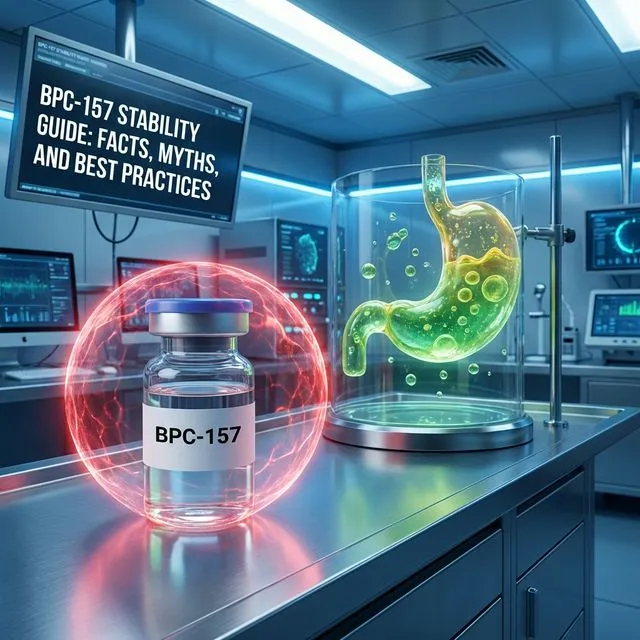
How long does reconstituted BPC-157 last? This guide separates documented gastric-stability evidence from conservative storage estimates for opened vials.
A source-checked guide to peptide temperature stress, including Arrhenius-style rule-of-thumb modeling and where direct peptide-specific data is still limited.
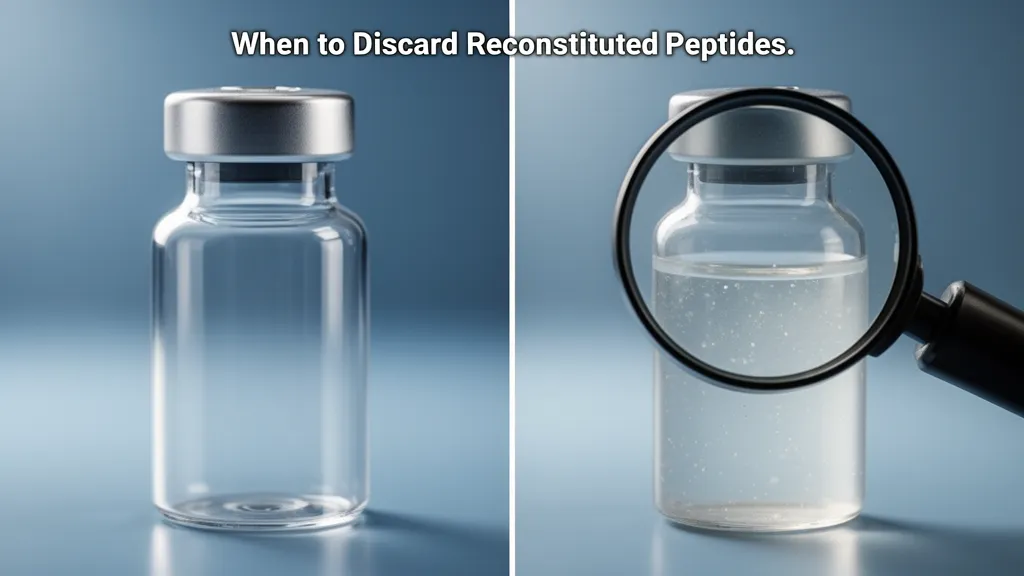
Learn to identify signs of peptide degradation through visual inspection. Comprehensive guide with photos descriptions and safety guidelines.
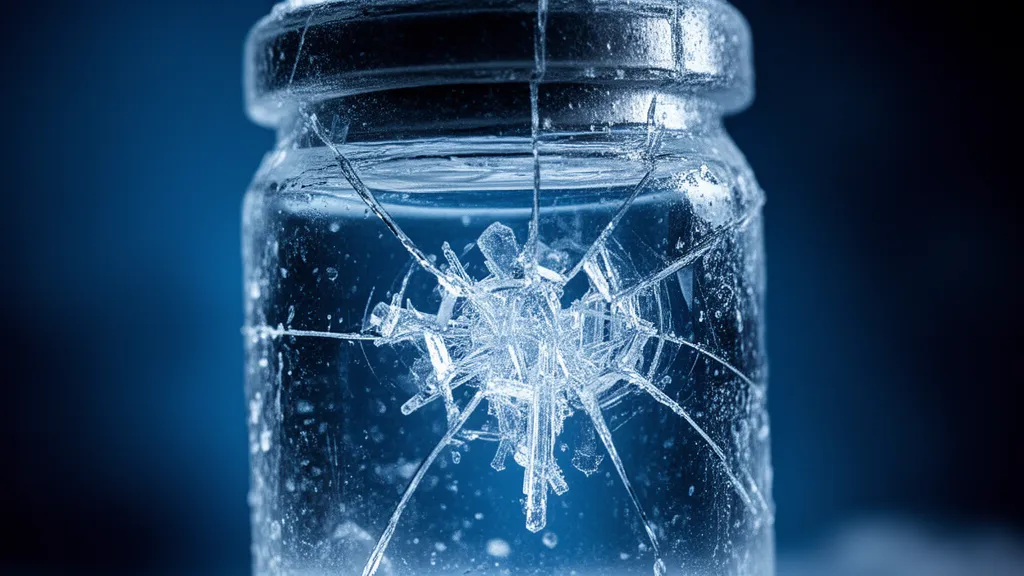
Separate label-backed freeze warnings from protein-study evidence and conservative research-peptide guidance, with an aliquot handoff.
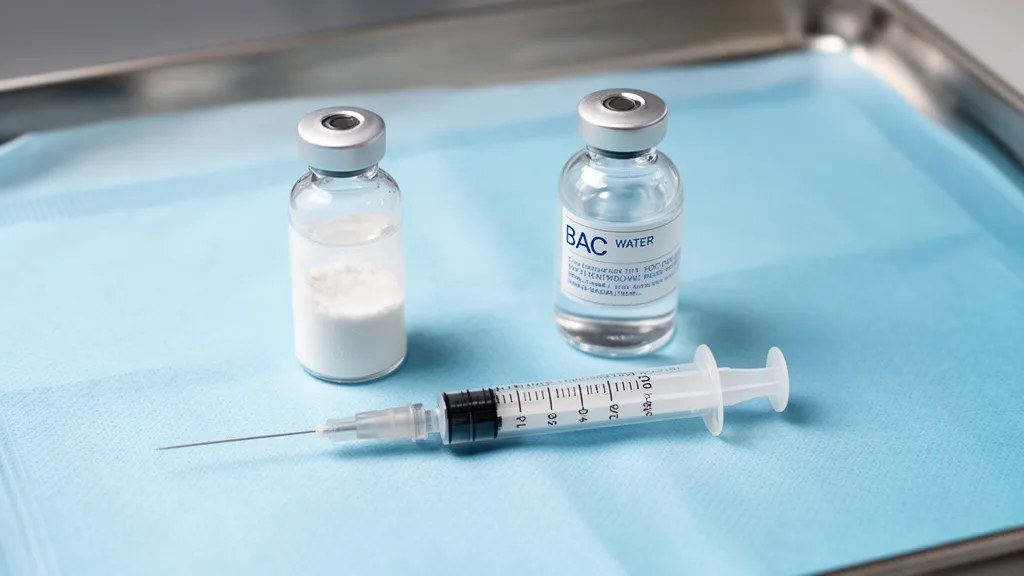
New to mixing peptides? A beginner's walkthrough for your first vial: equipment, sterile technique, the concentration basics, and common first-time mistakes.
A source-checked explanation of why PeptideClock uses a 1.5x saline multiplier as a conservative model estimate, not a peptide-specific clinical fact.
Use our free tools to calculate potency decay, track multiple vials, and determine exact dosing.