Light Exposure and Peptide Degradation
How light exposure can increase peptide degradation risk, and why light protection is part of a broader storage-control strategy rather than a single magic fix.
Light exposure is not the only thing that degrades peptides, and it is rarely the only thing going wrong in a bad storage workflow. But it is one of the easier stresses to control, which is why it deserves more attention than it usually gets in quick peptide advice.
Why light belongs in the storage conversation
Strong light, especially prolonged or repeated exposure, can add oxidative and structural stress to sensitive molecules. In practice, that means light protection is less about dramatic one-time damage and more about removing a cumulative source of avoidable stress from an already imperfect workflow. If a peptide is also dealing with temperature fluctuation, agitation, or repeated handling, light becomes one more pressure rather than a completely separate issue.
That framing matters because peptide storage advice often swings between two extremes. One extreme ignores light entirely. The other treats any brief room-light exposure as catastrophic. The evidence supports neither simplification. The more defensible position is that light is one controllable variable inside a larger stability system.
What light protection should actually look like
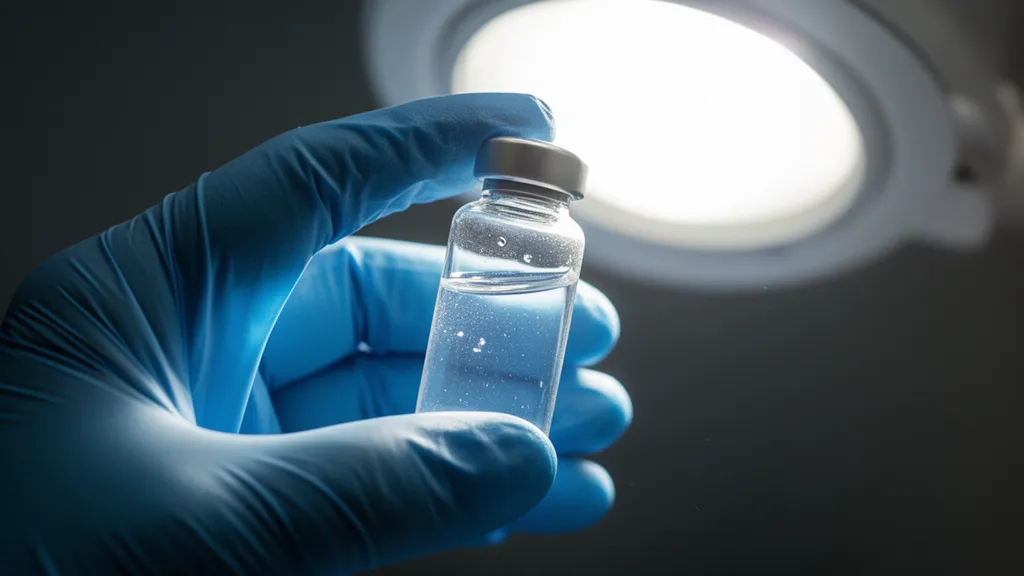
In routine use, light protection means keeping vials out of direct sunlight, storing them inside opaque or light-limiting containers when practical, and avoiding the habit of leaving reconstituted vials on a desk or counter longer than necessary during dosing. None of that is complicated, but it does reduce unnecessary exposure without pretending to solve every other storage problem.
What light protection does not solve
Good light discipline does not compensate for poor temperature control, contamination risk, or route-specific handling mistakes. A peptide stored in the dark can still degrade because it was warmed repeatedly, frozen inappropriately, contaminated during access, or left in solution too long. Light protection is one layer of storage discipline, not a magic override for the rest of the workflow.
That is why this topic makes the most sense when paired with broader storage resources such as the Peptide storage guidelines, the Peptide storage temperature chart, and the deeper chemistry discussion in Understanding peptide oxidation.
Related reading
- Peptide storage guidelines
- Peptide storage temperature chart
- Understanding peptide oxidation
- Stability research cluster
References & evidence
- ICH Q1A(R2) — source for stability-testing framework.
- ICH Q5C — source for biologic stability context.